
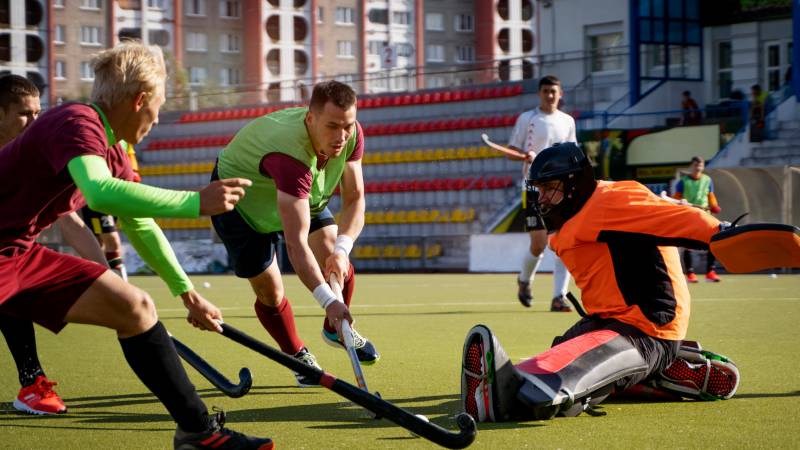
Hockey is an exciting sport that combines speed, teamwork, skill, and strategic planning. Whether played on ice or a field, every contest brings opportunities for players to demonstrate their abilities and teams to compete for important results. For sports followers, keeping track of scores is one of the easiest ways to understand how competitions develop and how teams perform throughout a season.
Sffarehockey scores by sportsfanfare is a useful topic for readers who want to explore hockey results, scoring information, team performance, and match updates. Understanding how scores are recorded and what they reveal can make following hockey more enjoyable and informative.
This guide explains hockey scoring, the importance of results, different statistical categories, and practical ways to understand team and player performances.
Understanding Hockey Scores
A hockey score represents the number of goals each team has achieved during a contest. The team with more goals at the end of the game generally wins, although some competitions use overtime or shootouts to determine a winner when the score is tied.
Scores provide a simple overview of the final outcome, but they can also reveal important information about a team’s performance. A narrow victory may indicate a closely contested game, while a large difference in goals may suggest that one team controlled more scoring opportunities.
When reviewing a hockey result, readers should consider the competition, participating teams, date, and final score. These details help ensure that information is understood correctly.
Why Hockey Score Updates Matter
Score updates help readers stay informed about ongoing competitions. They provide information about completed games and, where live reporting is available, developments during a contest.
For supporters who cannot watch every game, score information offers a convenient way to follow their preferred teams. It can also help readers understand how results affect league standings and overall competition progress.
Sffarehockey scores by sportsfanfare can be explored as part of a broader interest in hockey information, including results, schedules, fixtures, and statistics.
Regularly checking updated results is particularly useful during busy competition periods when several games may take place on the same day.
Ice Hockey and Field Hockey Scoring
Hockey is played in different formats, and understanding the differences is important when reviewing scores.
Ice Hockey
Ice hockey is played on an ice rink, where players use sticks to move a puck and attempt to score goals. Each successful goal adds one point to the team’s score.
Ice hockey games generally consist of three periods. If the score remains tied, competition rules may provide for overtime or a shootout.
The final result may therefore include additional information about how the winner was determined.
Field Hockey
Field hockey is played on a pitch, where players use a ball rather than a puck. Players work together to move the ball into the opposing team’s shooting circle and create scoring opportunities.
A successful goal adds one point to the team’s total. Depending on the competition, tied games may remain draws or be decided through additional procedures.
Although both formats share the basic objective of scoring more goals than the opponent, their playing conditions and competition rules are different.
How to Read Hockey Results
A hockey result usually contains several important details. Learning how to interpret them makes sports information easier to understand.
Common details include:
- Team names: Identify the two teams participating in the contest.
- Final score: Shows the number of goals scored by each side.
- Competition: Identifies the league, tournament, or event.
- Date: Indicates when the contest took place.
- Game status: Shows whether the contest is scheduled, live, completed, or postponed.
- Additional result details: May explain overtime, shootouts, or other competition-specific outcomes.
These details provide useful context and help readers avoid confusing one result with another.
The Importance of Goals and Scoring Statistics
Goals are the central measurement in hockey because they determine the score. However, scoring statistics can reveal more than the final number displayed on a results page.
For example, total goals scored during a season can help identify teams with strong attacking performances. Goals conceded can provide insight into defensive consistency.
Goal difference is another useful measurement. It is calculated by subtracting the total goals conceded from the total goals scored.
A positive goal difference means a team has scored more goals than it has allowed. A negative figure indicates the opposite.
These statistics can help readers understand why two teams with similar win records may have different overall performance profiles.
Understanding Player Contributions
Hockey is a team sport, and goals are often the result of several players working together.
In many competitions, assists are recorded when a player contributes directly to a goal through a qualifying pass or play. This measurement helps recognize players who create opportunities for teammates.
Other useful player statistics may include shots, playing time, defensive contributions, and penalties.
Goalkeepers and goaltenders also have an important influence on results. Their ability to prevent opposing teams from scoring can make a major difference, particularly during closely contested games.
Considering individual contributions alongside the final score provides a more complete understanding of team performance.
How Results Affect League Standings
League standings organize teams according to their performance throughout a competition. They usually include information such as wins, losses, draws, points, goals scored, and goals conceded.
The exact points system depends on the league. Some competitions award different points for regulation victories, overtime victories, and shootout results.
Results can change a team’s position in the standings. A victory may improve its points total, while a defeat can make qualification or championship ambitions more difficult.
Readers should also understand that some competitions use additional rules to separate teams with equal points. These may include goal difference, head-to-head results, or other official tie-breaking methods.
Why Checking Updated Scores Is Important
Sports information can change because of postponements, scheduling adjustments, official reviews, or corrections to previously published results.
For this reason, readers should pay attention to the date and update time of score information. An older result should not be mistaken for a current one.
Official league websites and competition organizers are useful sources for confirming important results. They can also provide additional information about game status, standings, and competition rules.
Sffarehockey scores by sportsfanfare fits into this wider approach to following hockey results and understanding the information connected with different competitions.
Using Hockey Scores to Understand Team Performance
A final score provides a starting point for evaluating a team’s performance. However, it does not always explain how the game developed.
A team may win by a narrow margin after defending effectively for most of the contest. Another team may score several goals through strong attacking pressure and consistent offensive opportunities.
Readers can explore additional information to understand these differences, including shots, saves, penalties, and possession-related measurements where available.
Comparing several results can also reveal patterns. For example, repeated high-scoring performances may suggest strong attacking production, while consistently low numbers of goals conceded may indicate effective defensive organization.
Historical Hockey Results
Historical scores are useful for readers interested in previous seasons, famous competitions, and long-term team performance.
Reviewing older results can help identify changes in team success, scoring patterns, and competitive balance. Historical information can also provide context when researching particular players or tournaments.
When comparing older and newer results, readers should consider changes in competition formats, rules, and playing conditions.
It is important to identify the correct season and competition before using historical information in comparisons or articles.
Making Hockey Information Easier to Follow
Following hockey becomes simpler when information is organized into clear categories.
Readers can begin with upcoming fixtures to understand what is scheduled. Afterward, they can review completed results and explore relevant statistics to learn more about individual and team performances.
Keeping these categories separate makes information easier to locate and understand.
Sffarehockey scores by sportsfanfare can serve as a useful subject for readers exploring hockey results and related sports information in an organized way.
Conclusion
Hockey scores provide an easy way to follow competitions, understand match outcomes, and monitor team progress. However, the final score is only one part of the information available about a contest.
Goals, assists, saves, defensive contributions, and league standings all help explain how players and teams perform. Understanding these measurements allows readers to explore hockey beyond the basic result.
By checking updated information, considering the correct competition, and reviewing relevant statistics, sports followers can develop a clearer understanding of the game. A simple and organized approach to hockey results makes it easier to stay informed and appreciate the teamwork and strategy behind every contest.